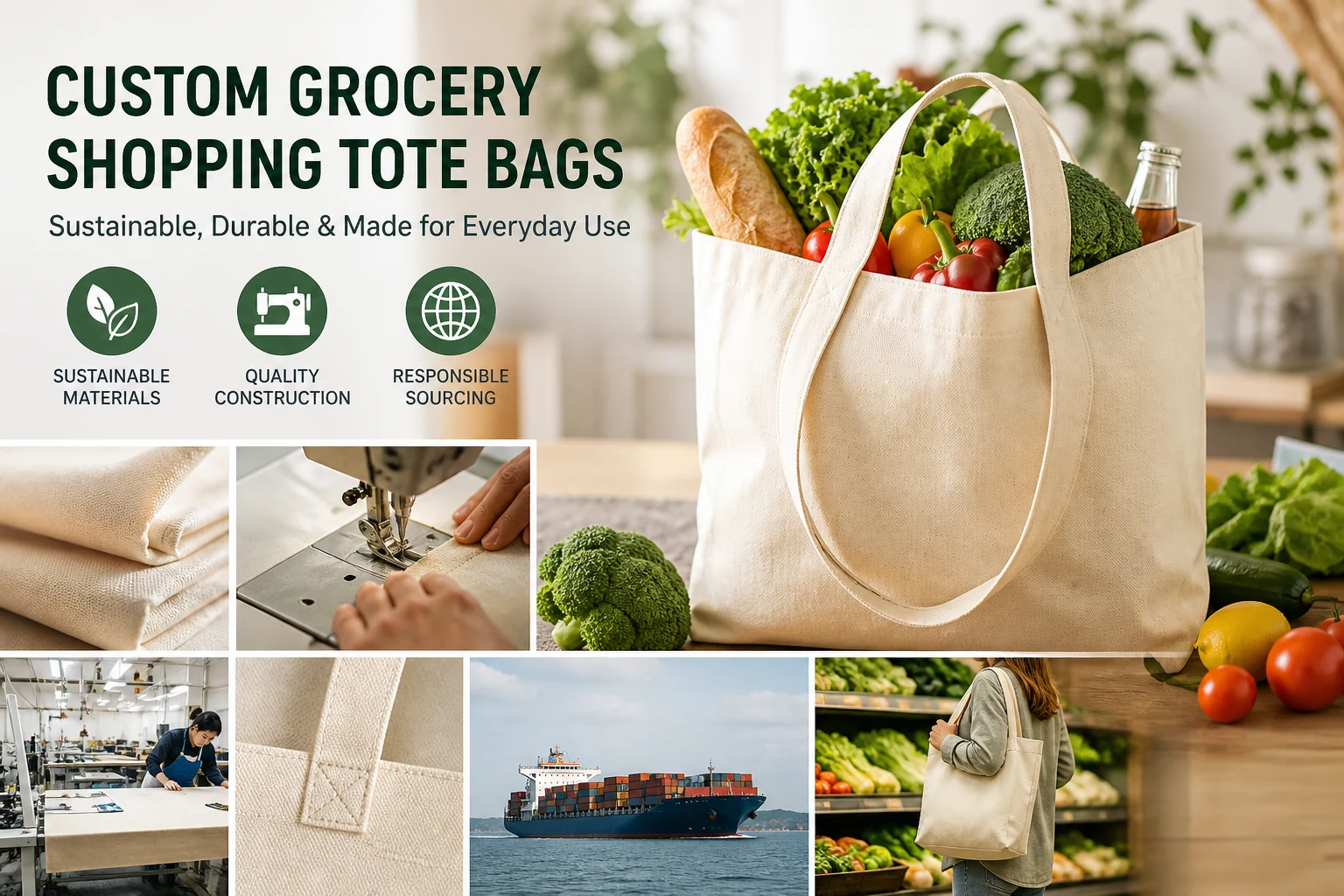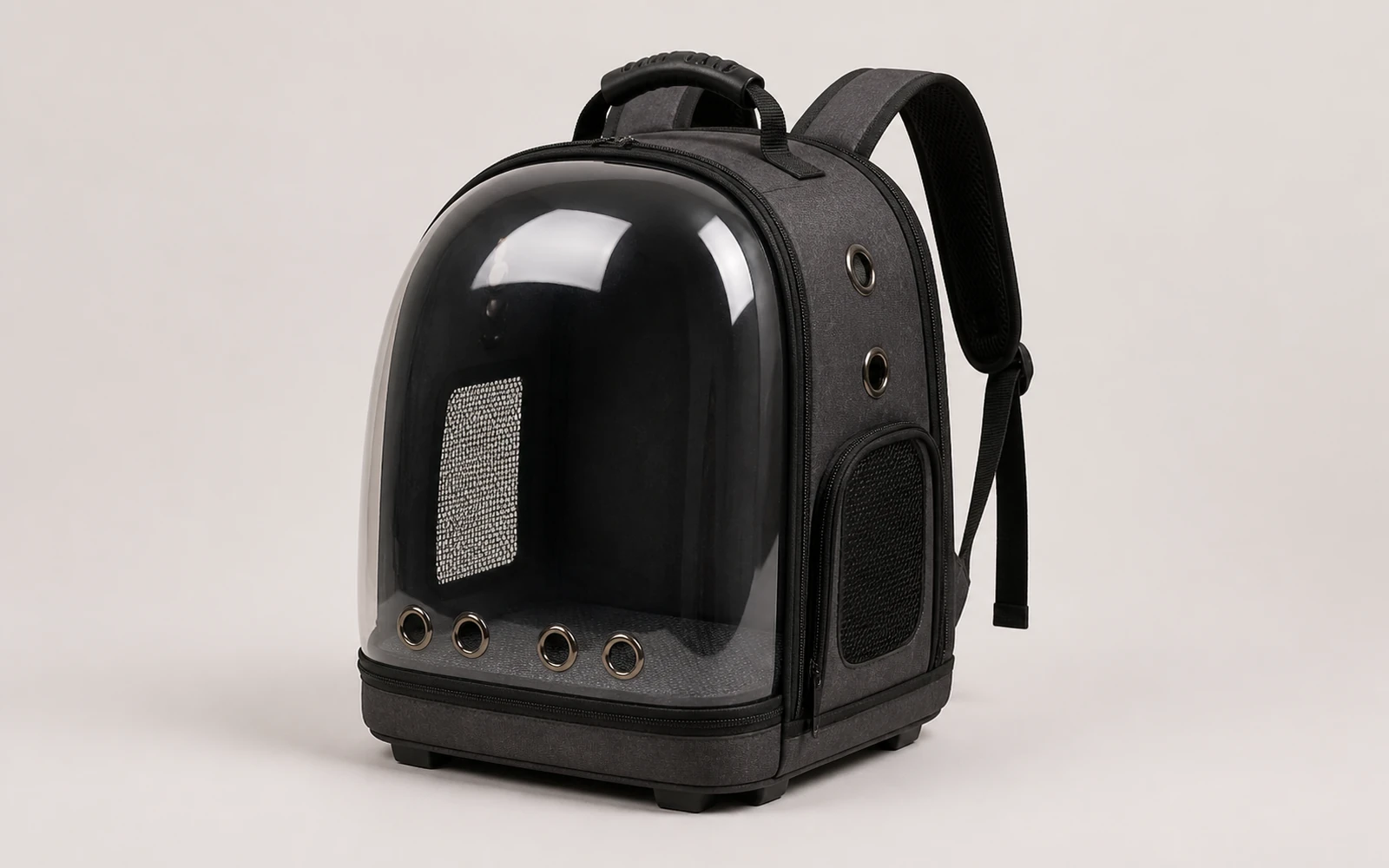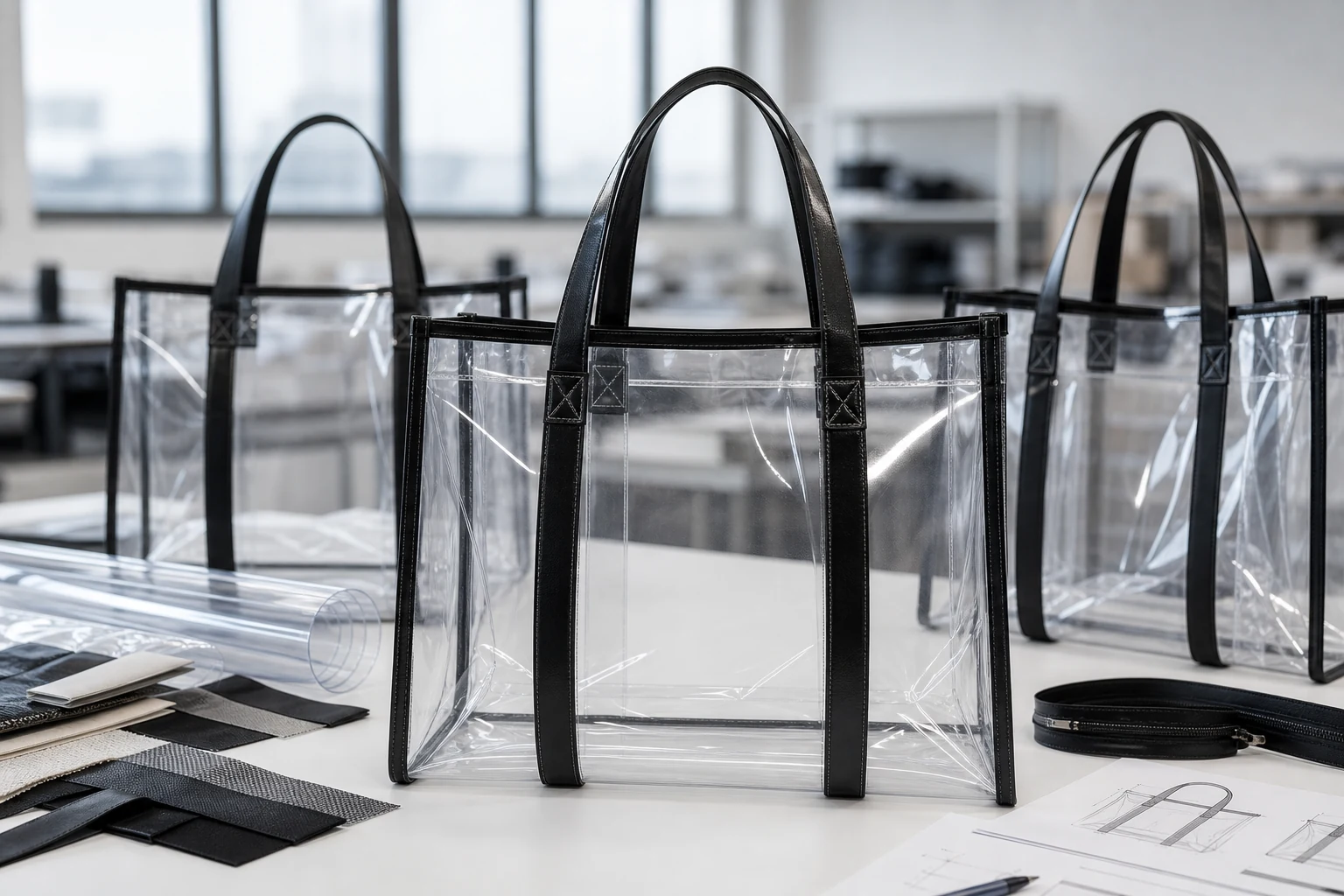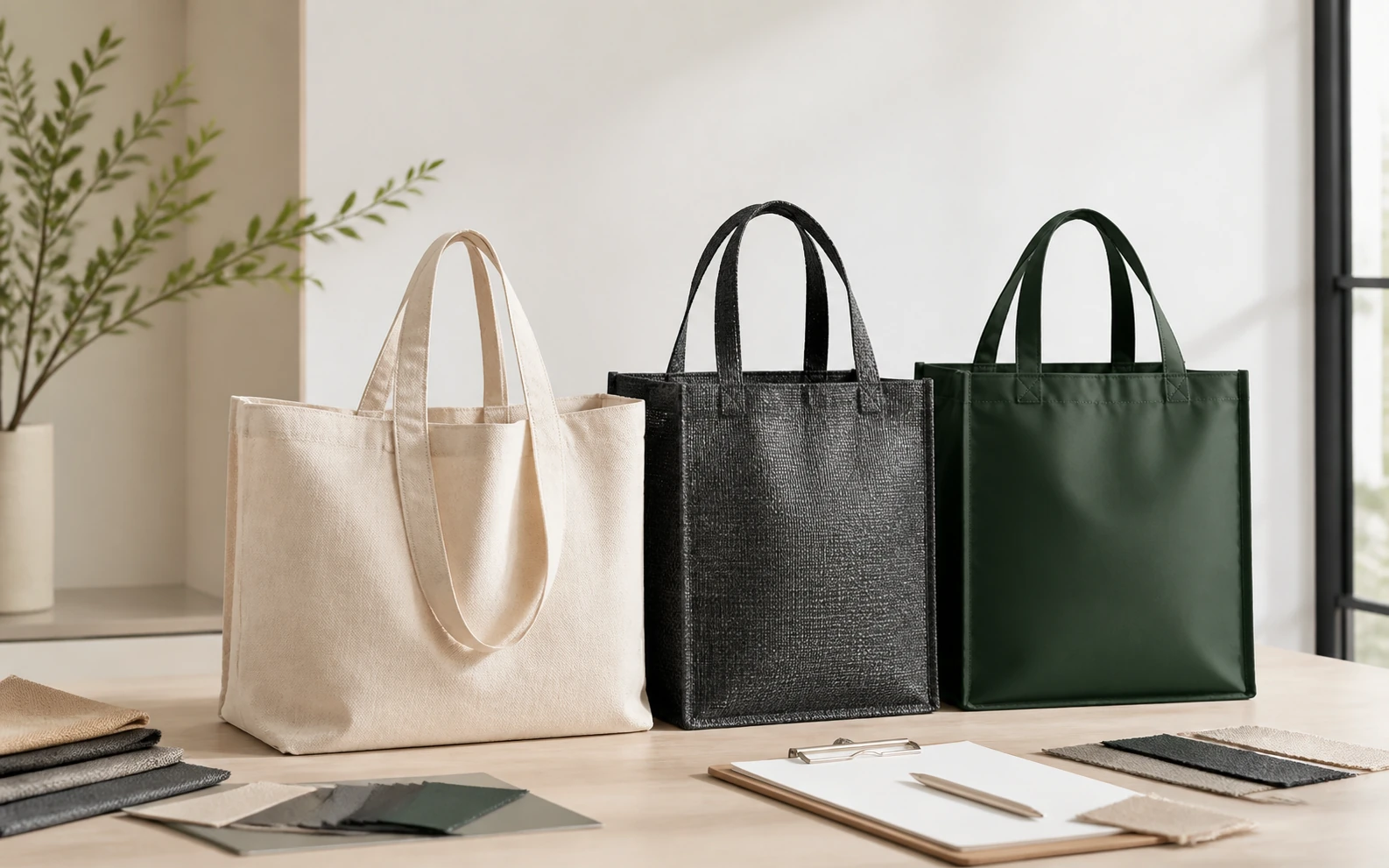
Choose a reusable grocery tote bag manufacturer by locking the carry use, material route, construction, and claim evidence before you compare samples. A tote that looks suitable in a catalog may still be the wrong build for the planned load, checkout routine, artwork, or destination-market claim. Give every supplier the same written brief, request documents for the exact material and finished-product scope, and approve the production reference only after the sample answers the practical questions below.
Begin With a Grocery-Tote Buyer Brief
The first decision is not whether a bag is "eco-friendly." It is what the buyer needs the tote to do: replace a thin giveaway bag, support a retail shopping program, carry a specified basket of goods, or serve as a branded reusable item. That intended use determines the material, seams, handle layout, packaging, and the evidence a marketing claim would need.
| Brief item | Questions to settle before sampling | Why it matters |
|---|---|---|
| Carry use | Typical contents, target load, carry distance, and whether the bag is for one-off or repeated use | Defines the buyer's own load and durability evaluation plan rather than assuming a universal capacity |
| Format | Open shopper, gusseted tote, zip-top format, foldable bag, or insulated add-on | Changes the pattern, base, closure, and packing requirements |
| Material route | Cotton canvas, woven polypropylene, non-woven polypropylene, recycled polyester, or another buyer-specified substrate | Sets hand feel, print method, seam finish, and the documents to request |
| Brand execution | Logo artwork, print placement, color standards, labels, hangtags, and packaging | Keeps artwork approval separate from material or performance approval |
| Sales market | Destination country, retail program requirements, and any buyer-defined documentation scope | Lets the importer and supplier ask project-specific questions rather than treating a general certificate as proof |
For a material-led tote program, our denim tote bags wholesale guide covers the distinct denim sourcing lane. This article stays with reusable grocery-tote specification and documentation decisions, so the two pages do not compete for the same buyer intent.
Compare Materials Against the Approved Use
There is no single best reusable-tote material. Compare samples using the same brief and decide which trade-offs fit the program; do not infer recycled content, recyclability, or a performance result from material name alone.
| Material route | Practical sourcing questions | Sample-stage checks |
|---|---|---|
| Cotton canvas | What weight, weave, shrinkage allowance, print method, and finish are proposed? | Hand feel, seams, handle attachment, color and print approval, and the buyer's own carry evaluation |
| Woven polypropylene | What weave, coating or lamination, gusset, and edge binding are included? | Panel shape, edge finish, handle stitching, print registration, and fold/packing behavior |
| Non-woven polypropylene | What basis weight, bonding method, handle construction, and intended reuse cycle are proposed? | Tear-prone areas, handle joins, print quality, and the approved use case |
| Recycled polyester or other recycled-content route | What exact composition and percentage is proposed, and what order-specific evidence is available? | Material reference, color lot, claim wording, and document traceability to the approved project |
If recycled content is part of the buyer's product or packaging message, make the claim only as specific as the project documents support. The U.S. Federal Trade Commission's environmental-claims guidance is a useful starting point for qualifying recycled-content claims; it does not certify a particular tote or determine rules in every market. For a route that requires a claimed standard, review the relevant scope, chain-of-custody process, and transaction documentation with the material supplier. The Global Recycled Standard information explains the standard's framework, but the buyer should still confirm what current documentation covers the exact order.
Write the Load and Construction Brief
Instead of asking a manufacturer to promise that a tote is "heavy duty," turn the intended use into visible construction questions. The same approach makes quotes easier to compare.
- State the expected contents and the buyer's intended load-evaluation method; do not use another customer's result as a pass standard.
- Define finished dimensions, gusset depth, base construction, handle length, and whether handles are self-fabric, webbing, or another approved component.
- Identify the stress areas to inspect: handle attachment, side seams, bottom corners, binding, closure, and any reinforcement requested in the specification.
- Attach artwork, color references, logo dimensions, label copy, barcode or packaging requirements, and a revision-control process.
- Ask how the supplier will identify the approved sample, material references, and permitted substitutions before bulk production.
The Elandmake services page outlines the customization workflow. Use it to frame a review of your own specification rather than assuming a catalog construction is suitable for every grocery-tote program. Buyers who want a concrete starting construction can also review our custom canvas grocery tote before adapting the material, gusset, handles, print, and documentation scope to their brief.
Ask Documentation Questions Before You Use a Claim
Documentation should map to the finished tote, its material and print components, the claim wording, and the destination market. A logo, a generic certificate, or a report for a different material does not answer all of those questions.
Use this request list with each prospective supplier:
- Which exact finished-product materials, colors, coatings, inks, labels, and packaging components does each document cover?
- Is the document current and traceable to the proposed material supplier, production lot, or project reference?
- If a recycled-content percentage is proposed, what supports that percentage and what part of the tote does it describe?
- Who defines the destination-market requirements, arranges any buyer-required testing, and approves final claim language?
- What record will connect the approved sample, bulk material, artwork, and final goods?
This is a sourcing checklist, not a compliance conclusion. Buyers should have their own compliance team or qualified adviser evaluate requirements for the target market and intended claim. For a related recycled-material sourcing lane, see our RPET bag manufacturer guide; request project-specific evidence before relying on any recycled-content statement.
RFQ and Production Checklist
Send one consolidated brief so every quotation is based on the same route:
- use case, typical contents, destination market, quantity by style and colorway, and required milestones;
- dimensions, gusset, base, handle arrangement, closure, material references, and required construction details;
- artwork, color standard, labels, packaging, barcode, and revision-control instructions;
- sample evaluation plan, documentation questions, buyer-defined testing scope, and approval authority; and
- the exact claim wording proposed for the tote or packaging, marked as pending document review where appropriate.
Elandmake's standard MOQ is 300 pieces per style and colorway. Sampling is generally 3–7 days. Light customization production is generally 15–30 days; heavy customization, including major structural changes, new tooling, or full new-product development, is generally 20–45 days. Confirm the selected route, approvals, and any product-specific exception in the quotation.
Sampling in 3–7 days. Sample fees can be deducted from the bulk-order payment after order confirmation. The applicable amount and freight are confirmed in the quotation.
Ready to source reusable grocery totes against one complete brief? Contact Elandmake with your quantity, material route, intended use, artwork, destination market, and documentation questions. We will confirm the sample route and quotation assumptions for your project.